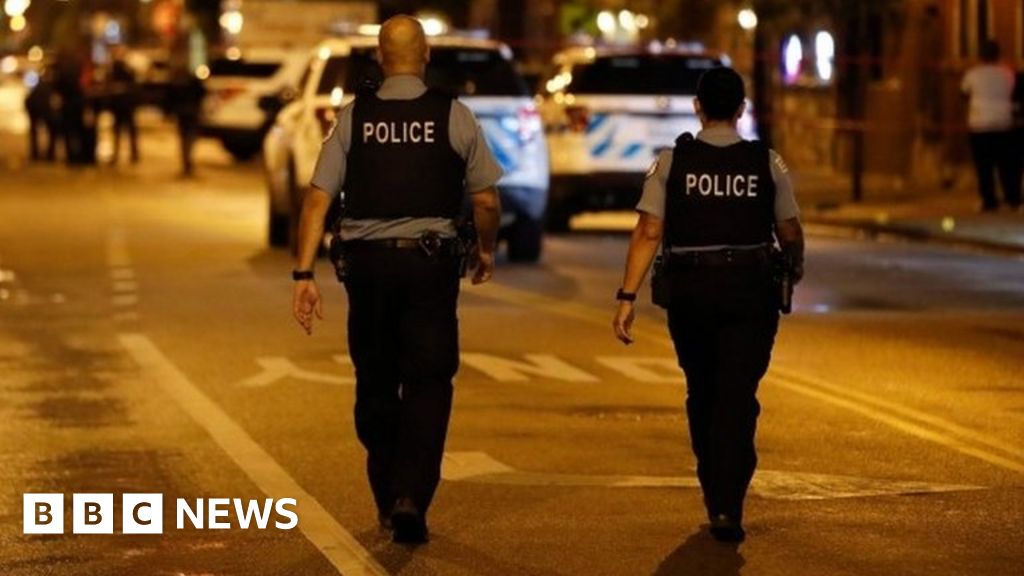
Siinä tapauksessa kannattaisi sitten varmaan etsiä tietoa vähän muualtakin kuin asiayhteydestä irrotetuista propagandapätkistä. Vai mistä lähtien 300 miljoonan lisärahoitus on tarkoittanut leikkauksia?
Toikin 300M olisi menossa demokraattien utopistiseen COPS ohjelmaan. Pahimmissa perseenrei'issä kuten Chicago ym demokraattien johtamissa kaupungeissa ei tule ikinä onnistumaan.
Common methods of community-policing include:
[29]
- Encouraging the community to help prevent crime by providing advice, giving talks at schools, encouraging neighborhood watch groups, and a variety of other techniques.
- Increased use of foot or bicycle patrols.
- Increased officer accountability to the communities they are supposed to serve.
- Creating teams of officers to carry out community policing in designated neighborhoods.
- Clear communication between the police and the communities about their objectives and strategies.
- Partnerships with other organizations such as government agencies, community members, nonprofit service providers, private businesses and the media.
- Decentralizing the police authority, allowing more discretion amongst lower-ranking officers, and more initiative expected from them.
Comparison with traditional policingEdit
Although all societies incorporate some mechanisms of social control,
[31] "policing" as we understand it today is a very particular mechanism of control.
[32] "Traditional policing" is used to describe policing styles that were predominant before modern community policing movements, or in police forces which have not adopted them. The response-centred style has also been called "
fire brigade policing" in the UK.
[33] In countries with a tradition of
policing by consent, the term "traditional policing" can be misleading. In those cases, community policing could be seen as a restoration of an earlier ideology, which had been overshadowed by reactive policing after the rise of automobiles and telecommunications.
[34]
The goal of traditional policing is to protect law-abiding citizens from criminals. As Jauregui argues, it reflects a "popular desire for justice and order through any means necessary."
[35] They do this by identifying and apprehending criminals while gathering enough evidence to convict them. Traditional beat officers' focus on duty is to respond to incidents swiftly, and clear emergency calls as quickly as possible. Many officers working busy shifts only have time to respond to and clear emergency calls. This type of policing does not stop or reduce crime significantly; it is simply a temporary fix to a chronic problem where officers are often called to return to the same issue and individuals.
[36][22]
In contrast, community policing's main goal is to assist the public in establishing and maintaining a safe, orderly social environment. While apprehending criminals is one important goal of community policing, it is not necessarily the most important goal. Community policing is concerned with solving the crimes that the community is concerned about by working with and gaining support from the community. The most effective solutions include dialogue between police, government resources, citizens, and local business to address the problems affecting the community.
[1] Police communicate with the community in variety of ways, including polls or surveys, town meetings, call-in programs, and meetings with interest groups. They use these connections to understand what the community wants out of its police officers and what the community is willing to do to solve its crime problem.
The structure of the community policing organization differs in that police assets are refocused with the goals of specific, written rules to give more creative problem-solving techniques to the police officer to provide alternatives to traditional law enforcement.
[30]


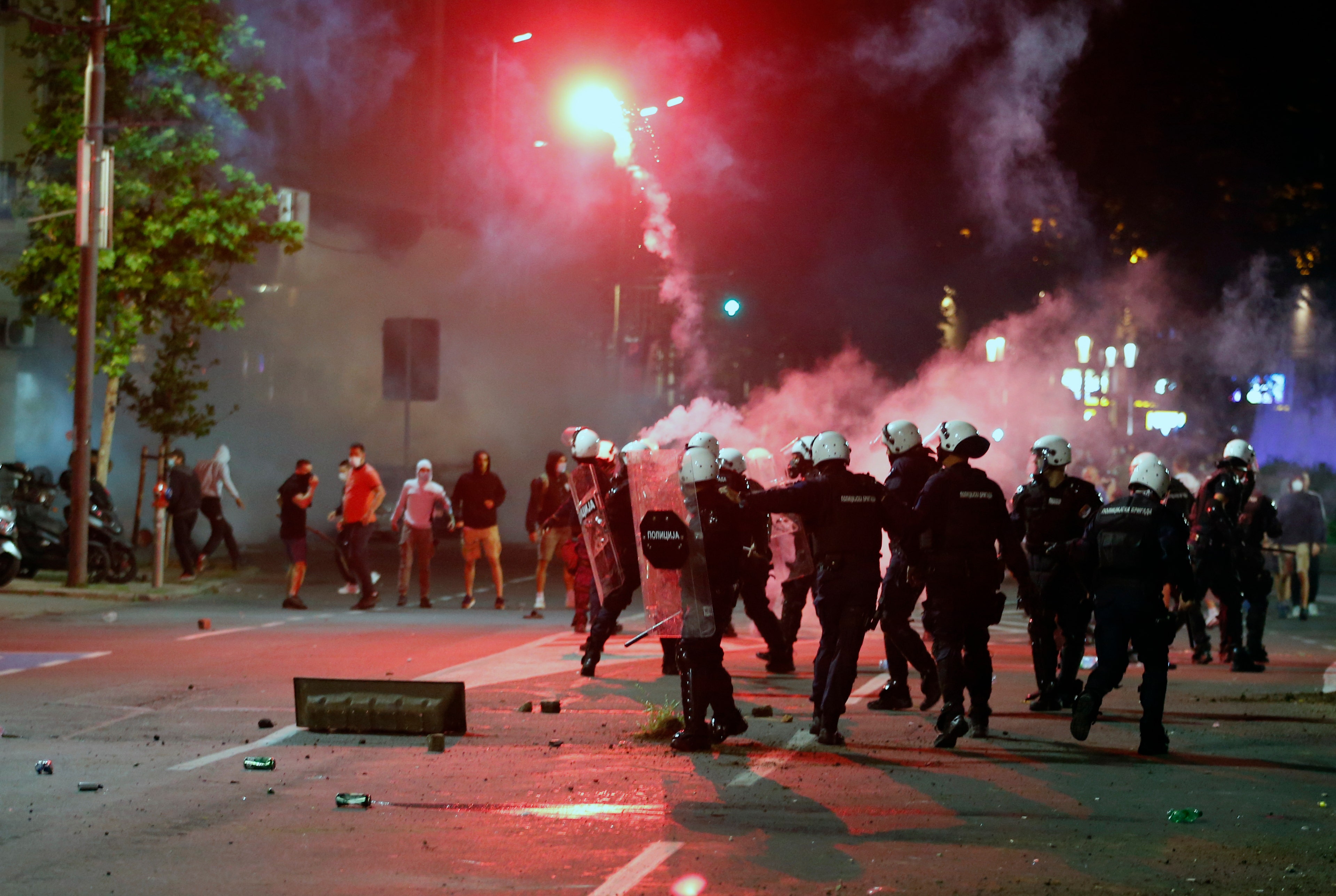

/img-s3.ilcdn.fi/74bece832ab49598aeeb2fad05bcdb96bd8e9c9f9485fddd7486fb68841be7d4.jpg)